
Problems with underground pipes rarely stay hidden for long. Slow drains, foul smells, or water pooling in the yard often signal deeper issues that cannot be ignored. In many cases, these signs lead to the need for sewage system replacements, a process that may sound complex but follows a clear and structured path when handled by the right team.
Many property owners feel unsure about what actually happens during the work. The idea of digging and disruption can feel overwhelming at first. But once the steps are broken down, the process becomes much easier to follow and manage.
Early Signs That Call for Attention
Sewage systems do not fail overnight. The problems usually build slowly and show up in small ways before becoming serious. A sink that takes longer to drain, a toilet that backs up, or a constant damp spot in the yard can all point to trouble below the surface.
Older pipes often wear out with time. Tree roots can also push into the lines and create cracks or blockages. Temporary fixes may seem helpful at first, but they rarely solve the root issue. A deeper look is always needed to avoid repeat problems.
A Close Inspection of the System
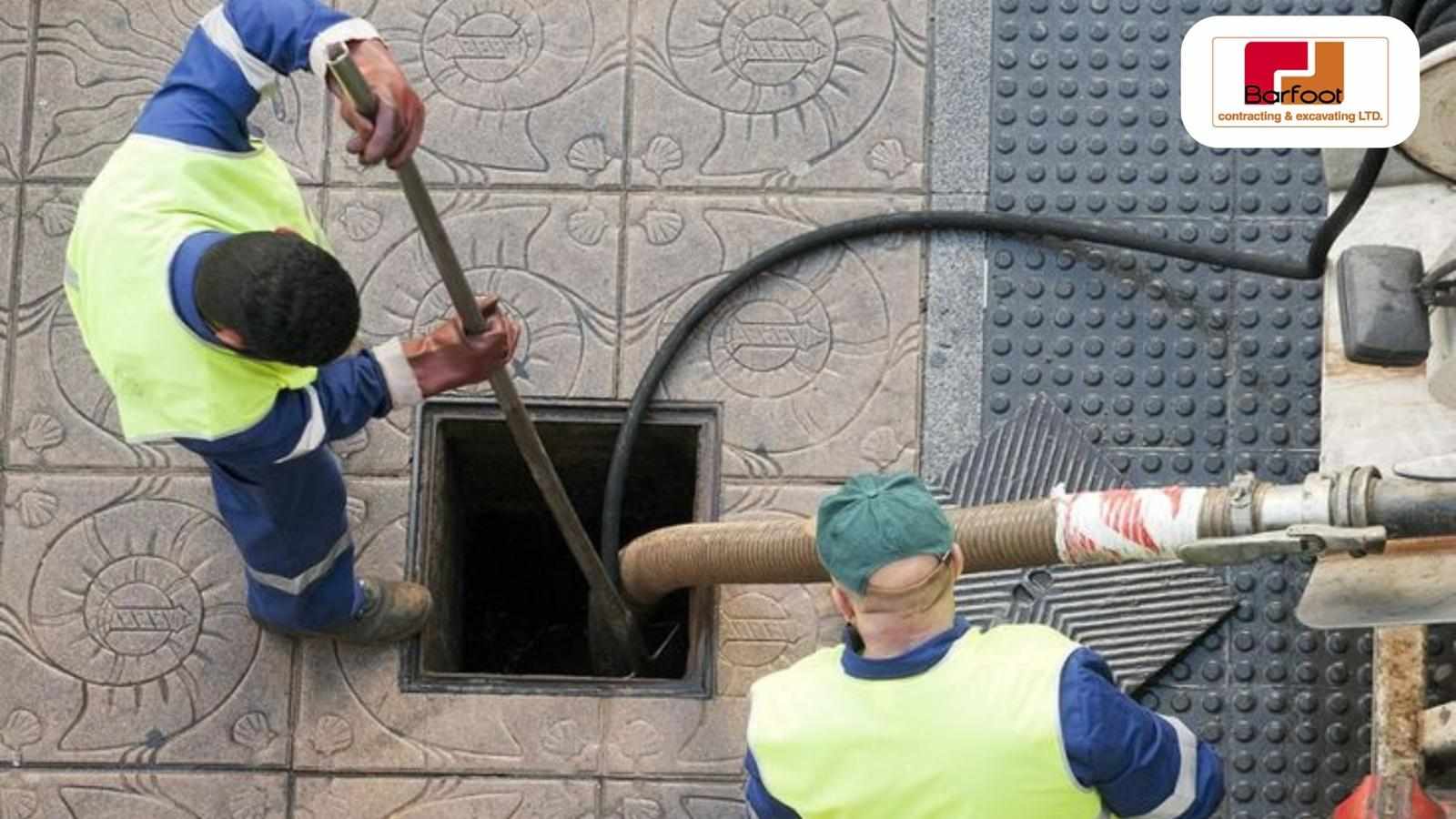
Before any work begins, a detailed inspection is carried out. A camera is usually sent through the pipes to capture real-time footage of the interior. This step removes any guesswork and provides a clear picture of what is happening underground.
The inspection helps identify cracks, blockages, pipe misalignment, or full collapse. It also shows how far the damage has spread. With this information in hand, the team can plan the most effective solution without unnecessary digging or delays.
Planning Based on the Property Layout
No two properties are exactly alike, and that is why planning plays such an important role. The depth of the pipes, the type of soil, and the overall layout of the land all influence the approach.
Some systems require full replacement, while others may only need partial work. The team also considers how to protect surrounding areas such as lawns and driveways. A well-thought-out plan helps keep the project efficient and avoids unexpected issues during the process.
Preparing the Work Area
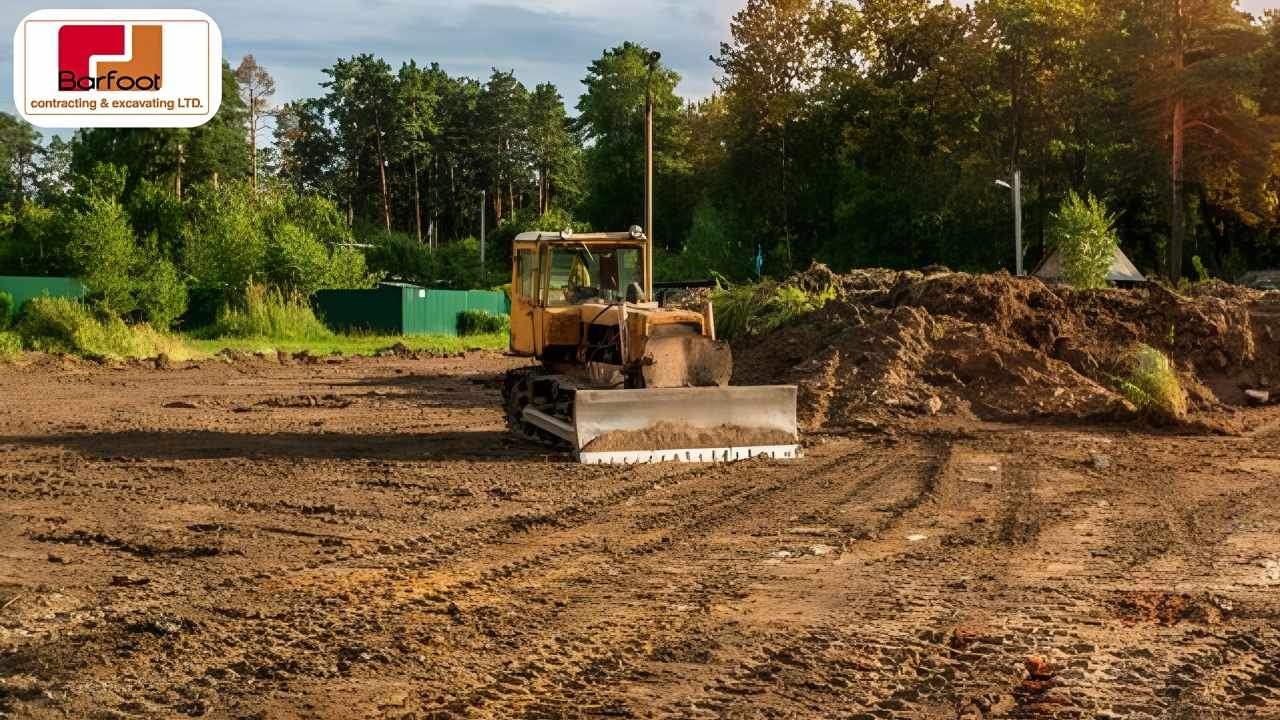
Once the plan is set, the site is prepared for excavation. Utility lines such as water, gas, and hydro are marked clearly to prevent any damage during digging.
The work area is then cleared and secured. While some parts of the yard or driveway may need to be opened, care is taken to limit the impact as much as possible. A careful setup at this stage helps the rest of the project move forward without complications.
Excavation and Removal of Old Pipes
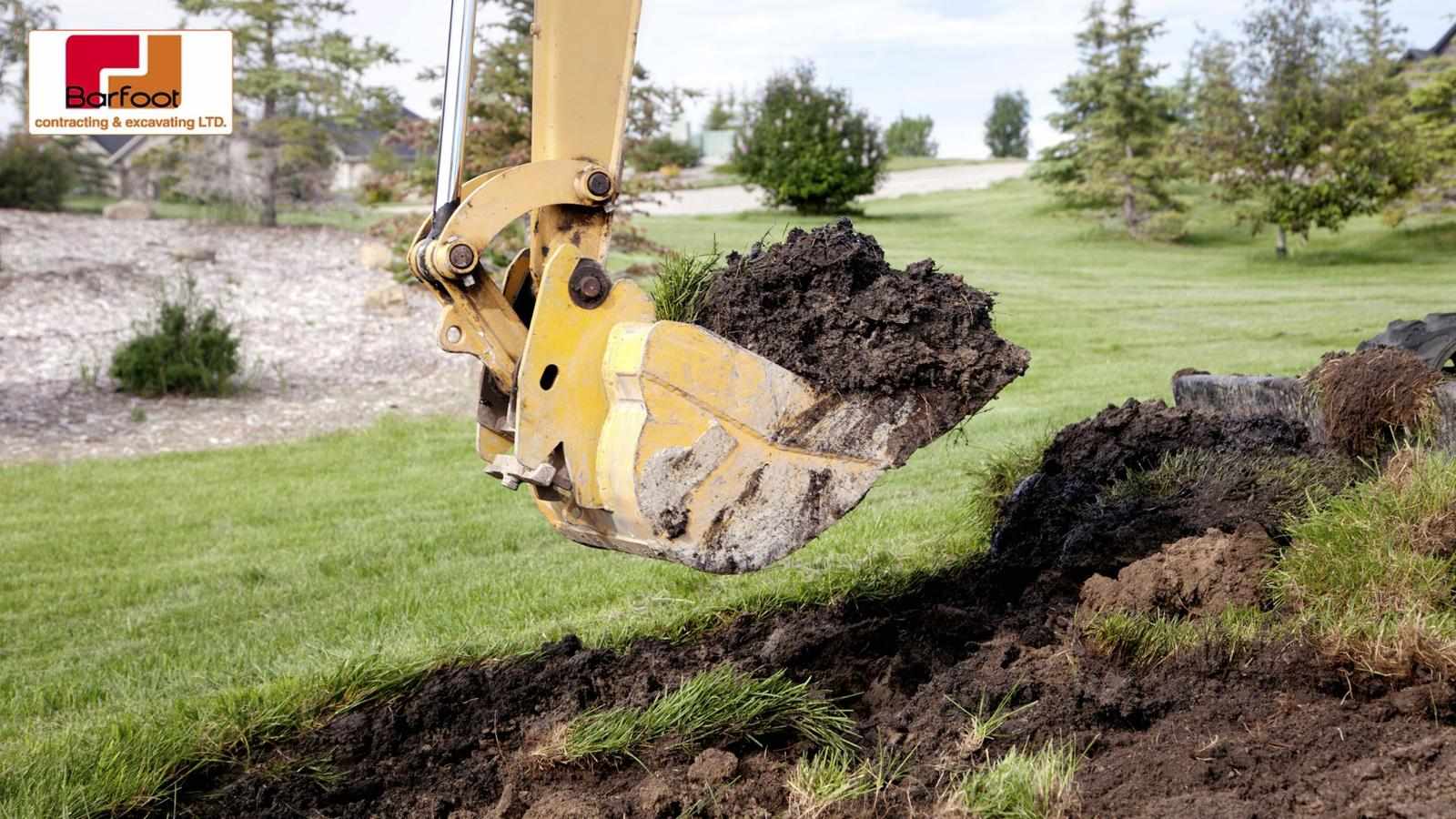
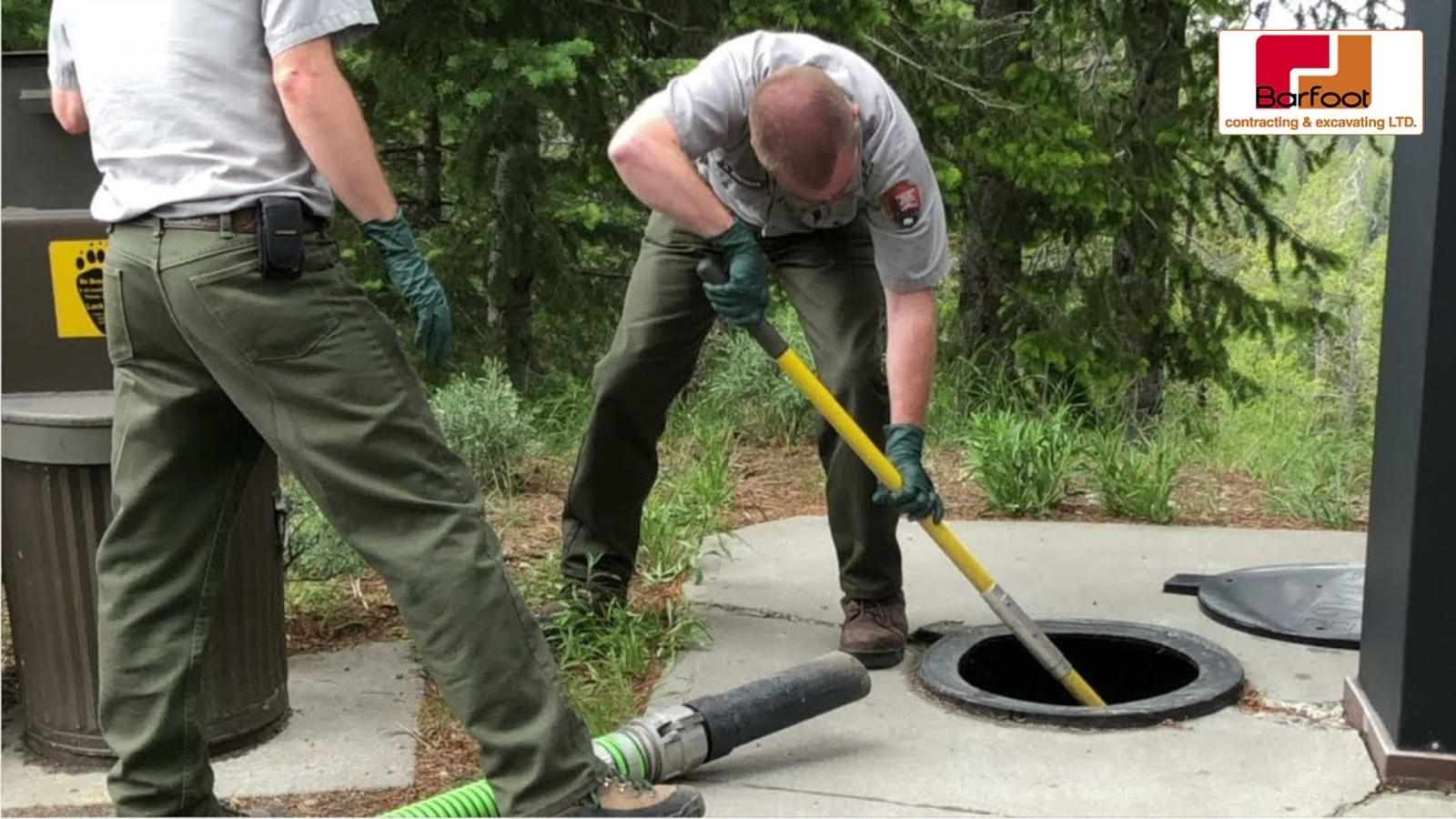
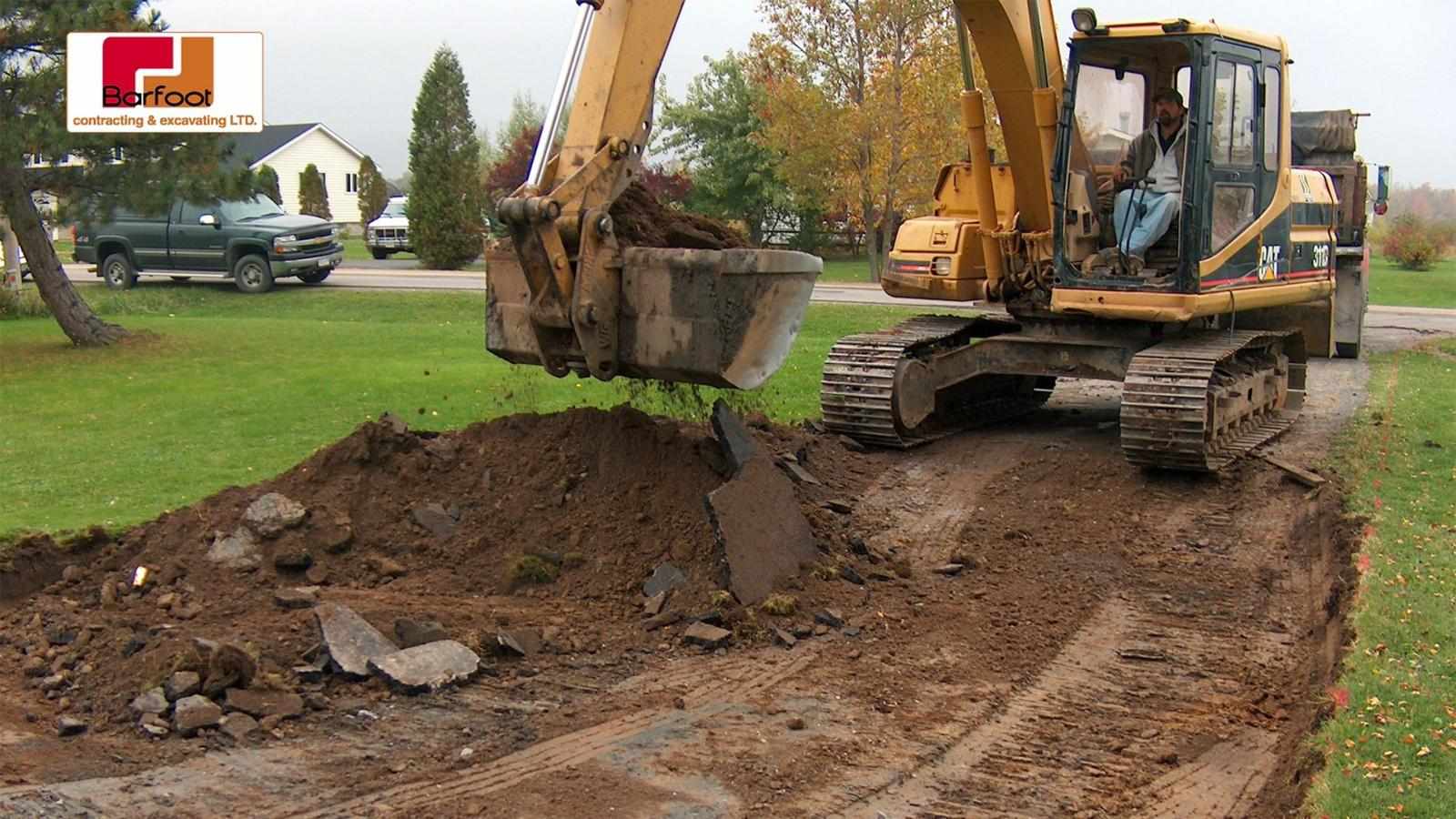
The excavation phase is where the work becomes visible. Equipment is used to dig down to the damaged pipes, and the depth depends on how the system was originally installed.
Once the pipes are exposed, the damaged sections are removed. In many cases, the pipes come out in pieces due to wear and breakage. The surrounding soil is also checked to ensure it can support the new installation.
If the ground is unstable, it is reinforced before moving ahead. This step ensures that the new system has a strong and reliable base.
Installing the New Sewage System
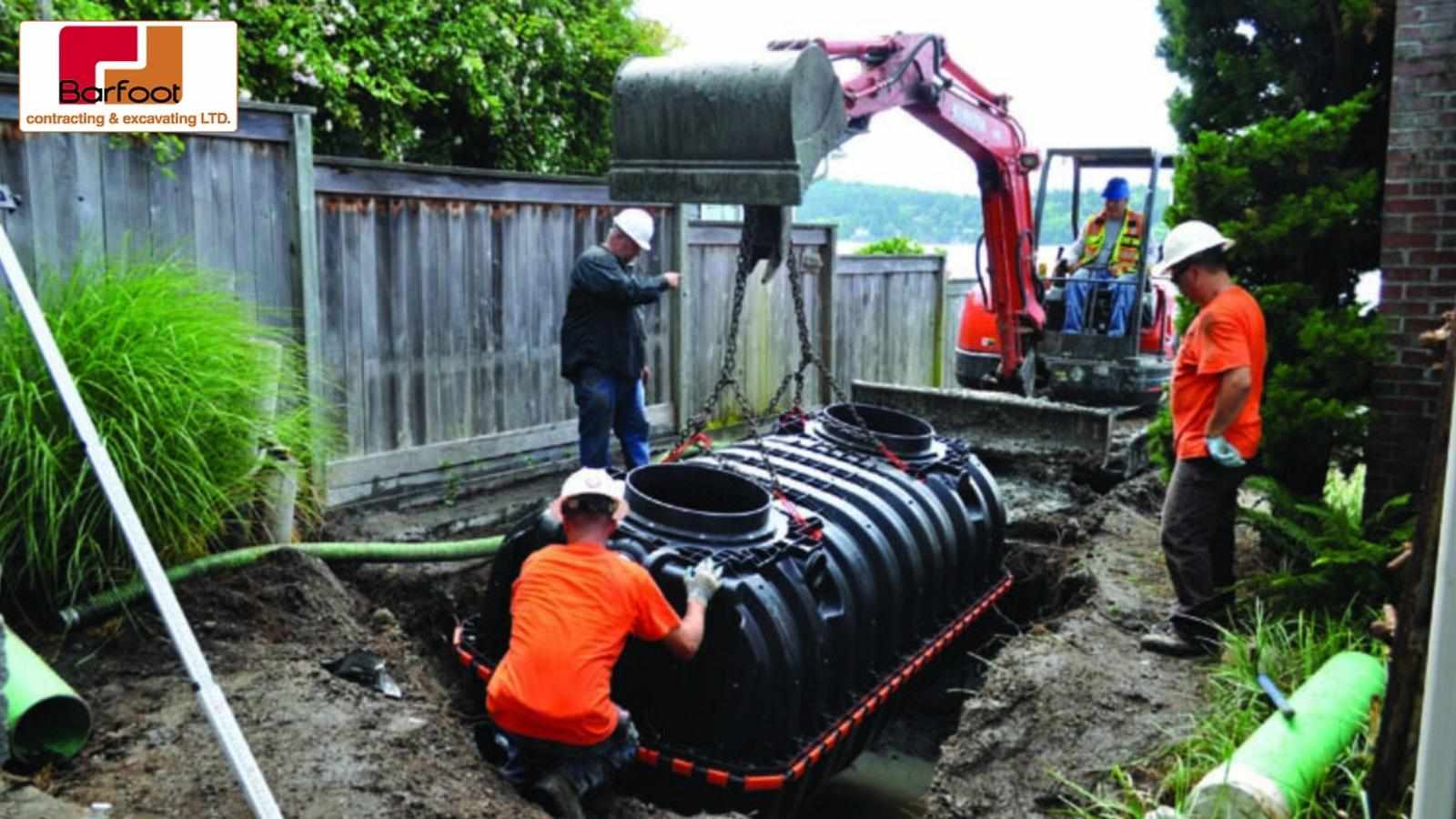
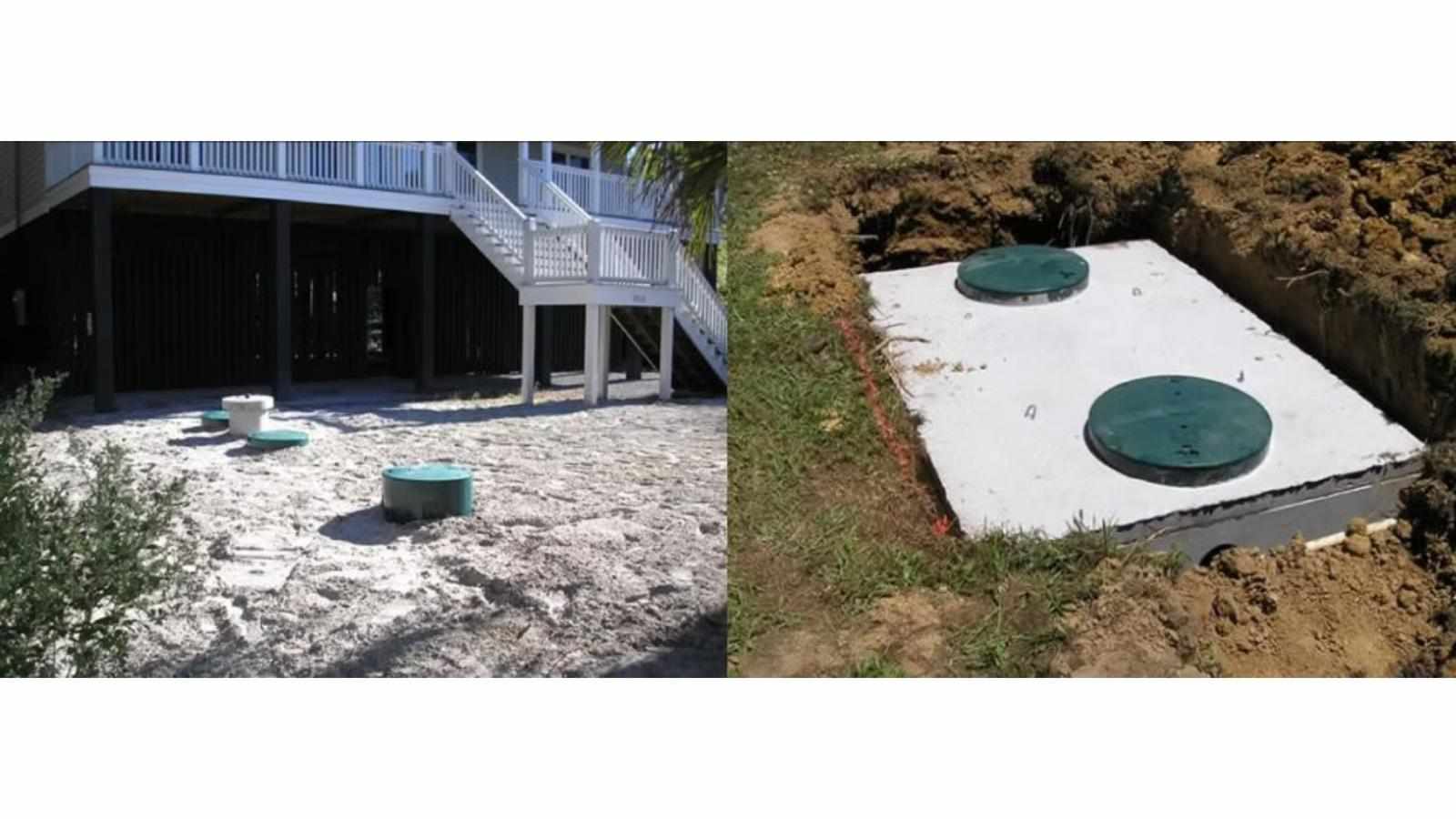
The installation phase requires precision and care. New pipes are placed at the correct angle to allow smooth flow. Even a slight misalignment can lead to drainage issues later.
Modern materials are often used because they are more durable and resistant to damage. Each connection is sealed tightly to prevent leaks and weak points.
The team works section by section, checking each part before moving forward. This approach ensures the system performs well once it is in use.
Managing Access During the Project
During the process, access to the property can become limited, especially if the work affects driveways or entry points. Restoring these areas properly is an important part of the overall job.
That is where residential driveway contractors play a role. They help rebuild and level the driveway once the pipe work is complete. Proper grading and gravel placement ensure that the surface remains stable and functional.
A well-restored driveway blends naturally with the rest of the property and maintains both appearance and usability.
Testing for Proper Function
After the new system is in place, it is carefully tested to make sure everything works as expected. Water is run through the pipes to check for smooth flow and to confirm that there are no leaks.
The team also verifies that the slope is correct and that drainage happens efficiently. If any issue appears, it is addressed right away before the project moves to the final stage.
Backfilling and Site Restoration
Once the system passes all checks, the excavated area is filled back in. Soil is added in layers and compacted properly to prevent sinking over time.
The surface is then restored to match its original condition as closely as possible. Grass, gravel, or other materials are replaced with care, leaving the property clean and presentable.
A well-finished site reflects the quality of the work done below the surface.
Timeline and What to Expect
The time required for sewage replacement depends on the size and complexity of the project. Smaller jobs may take a few days, while larger systems can take longer.
Weather and ground conditions can also affect the schedule. Clear communication throughout the process helps set realistic expectations and keeps everything on track.
Property owners can expect some temporary disruption, including noise and limited access to certain areas. A professional team works to minimize inconvenience and maintain a safe, organized site.
Long Term Value of Proper Replacement
A newly installed sewage system offers lasting benefits. It removes the risk of backups, eliminates unpleasant odors, and improves overall property function.
It also adds value to the property and reduces the need for frequent repairs. Modern systems are built to handle daily use more efficiently and last for many years with proper care.
Conclusion
Sewage replacement may seem like a major task at first, but it follows a clear and methodical process that leads to reliable results. From inspection to final restoration, each step is carried out with purpose and attention to detail.
Barfoot Contracting approaches every project with a focus on quality and long-term performance. They manage each stage with care, keep communication clear, and ensure the property is restored properly once the work is complete. Their experience shows in the way they handle both the technical work and the overall customer experience, giving property owners confidence in the results they deliver.

Write a comment ...