
Planning a driveway might seem easy. Gravel, maybe a border, and you are good to go, right? Not quite. Good driveways start with solid groundwork. That means excavating. And most folks forget how important that part is.
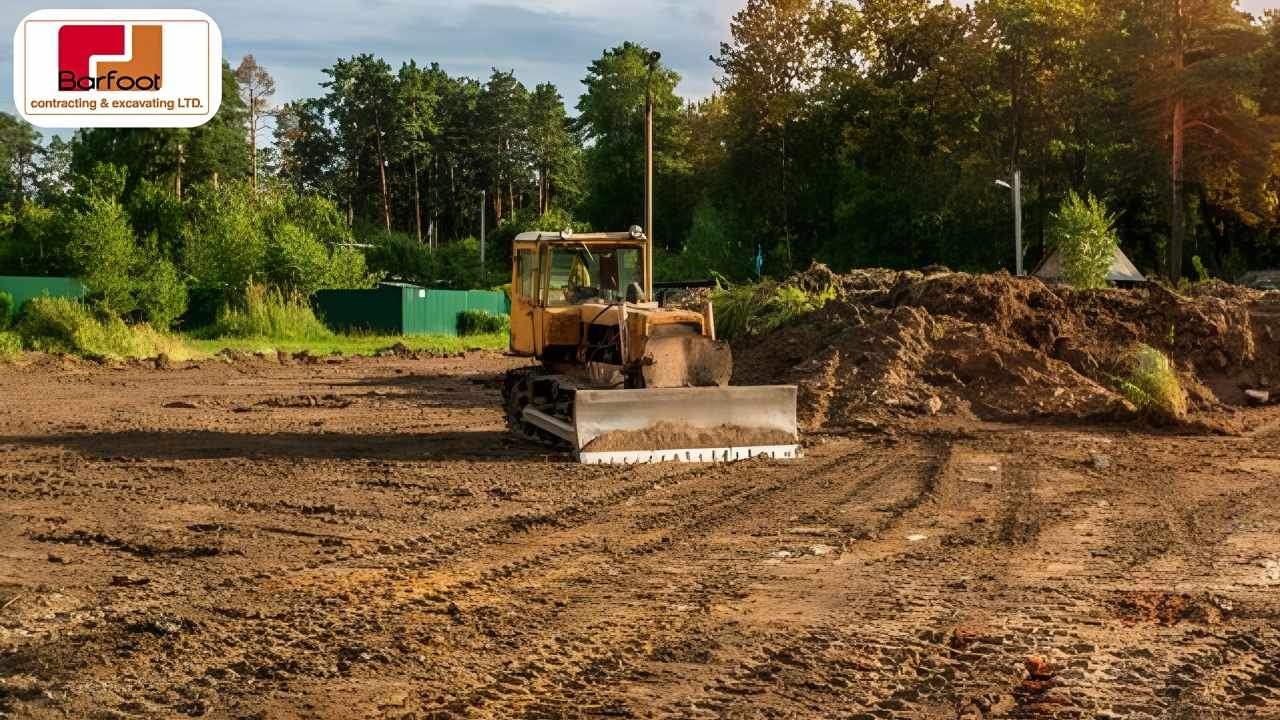
Before the gravel hits the ground, the site has to be cleared, leveled, and shaped. Get that wrong, and the rest won’t hold. Water will pool. Gravel will spread. The drive may sink or wash out. These aren’t small issues. They cost time, money, and often lead to rework.
So let’s break it down. Here's what often gets missed.
Skipping the Soil Check
Not all soil is the same. Some holds water. Some shifts too fast. Others are too soft. You can’t build a driveway on poor soil and expect it to last. That first layer under your gravel needs to be strong. It should drain right. It must compact well.
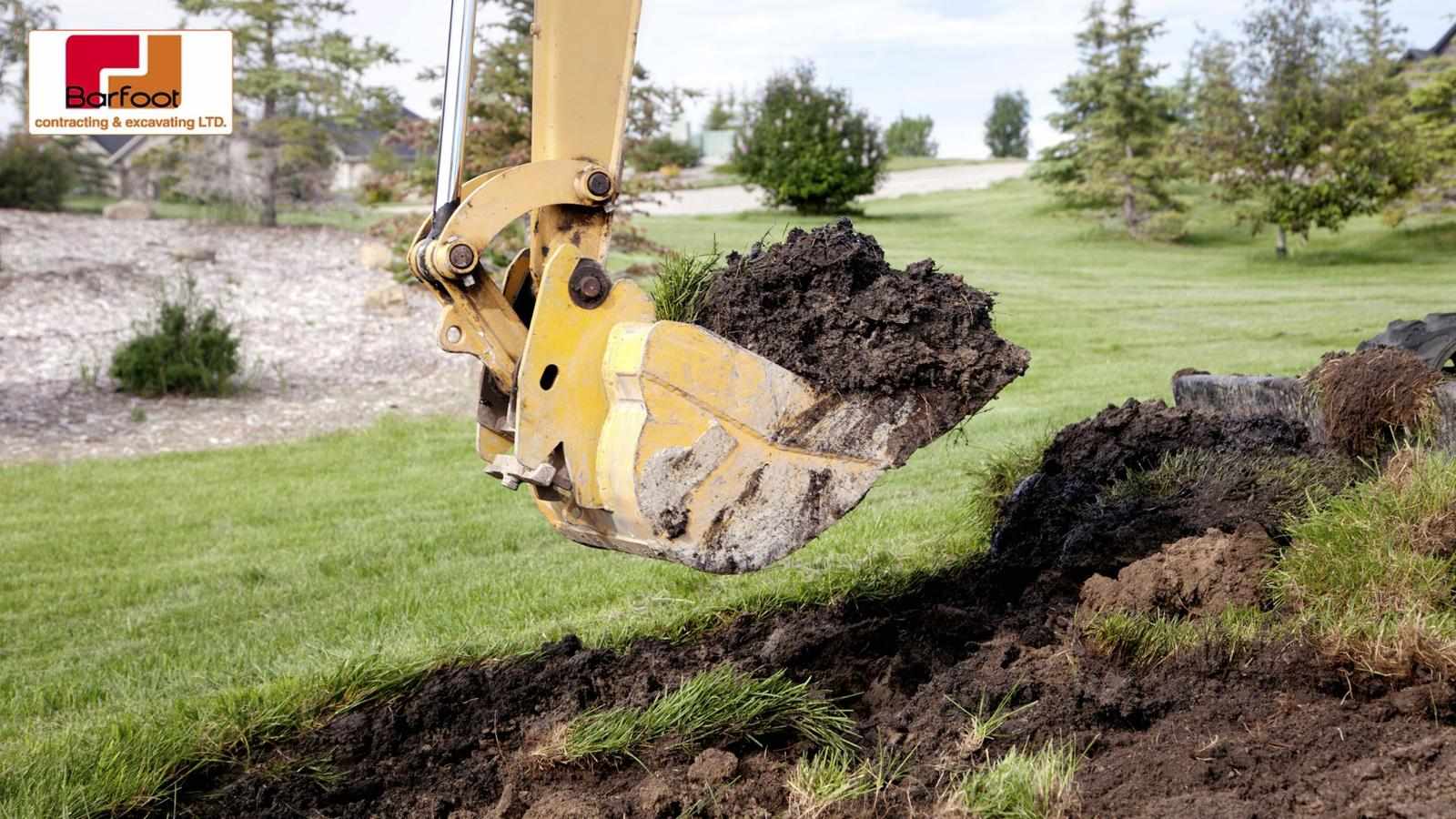
A quick visual check is not enough. That’s where proper excavation helps. A crew will dig down and test what's below. They’ll remove loose topsoil and replace it with something stable.
If you skip this step, your driveway will move every season. That leads to low spots, cracks, and erosion.
Not Digging Deep Enough
A thin layer of gravel looks nice at first. But that won’t hold under real use. Heavy trucks, snow gear, or even a few rainstorms can ruin a weak base.
You need enough depth to support the weight. That starts with digging deep—usually eight to twelve inches or more. Shallow cuts save time but lead to future issues. Proper excavation gives your base a chance to work right.
Driveways are not just surface projects. The work below the gravel matters more than what’s on top.
Skipping the Slope
Flat driveways may look neat, but they are rarely smart. Water needs to go somewhere. If there’s no slope, it stays put. That creates puddles. It weakens the gravel and the ground below.
A proper driveway needs the right slope. Sometimes it drains to the side. Other times, it runs to the end. But it must drain. That grading needs to happen during excavation.
A flat surface may feel fine now. But after one season of snow and rain, you’ll wish you planned the slope.
Forgetting About Drainage Paths
Drainage isn’t just about slope. The surrounding land plays a role too. If the area around the drive is higher, water will wash in. That pushes gravel out and makes the drive slippery or muddy.
That’s where trenching or minor grading can help. You may need a swale on one side. Or a shallow trench for runoff. These small changes make a big difference.
People often think gravel alone solves drainage. But gravel works best when the water has a way to leave.
Overlooking What’s Below the Drive
Planning to run water, hydro, or phone lines across the drive? Plan that early. Excavating for a driveway gives a chance to add trenches. Waiting until later means digging it up again.
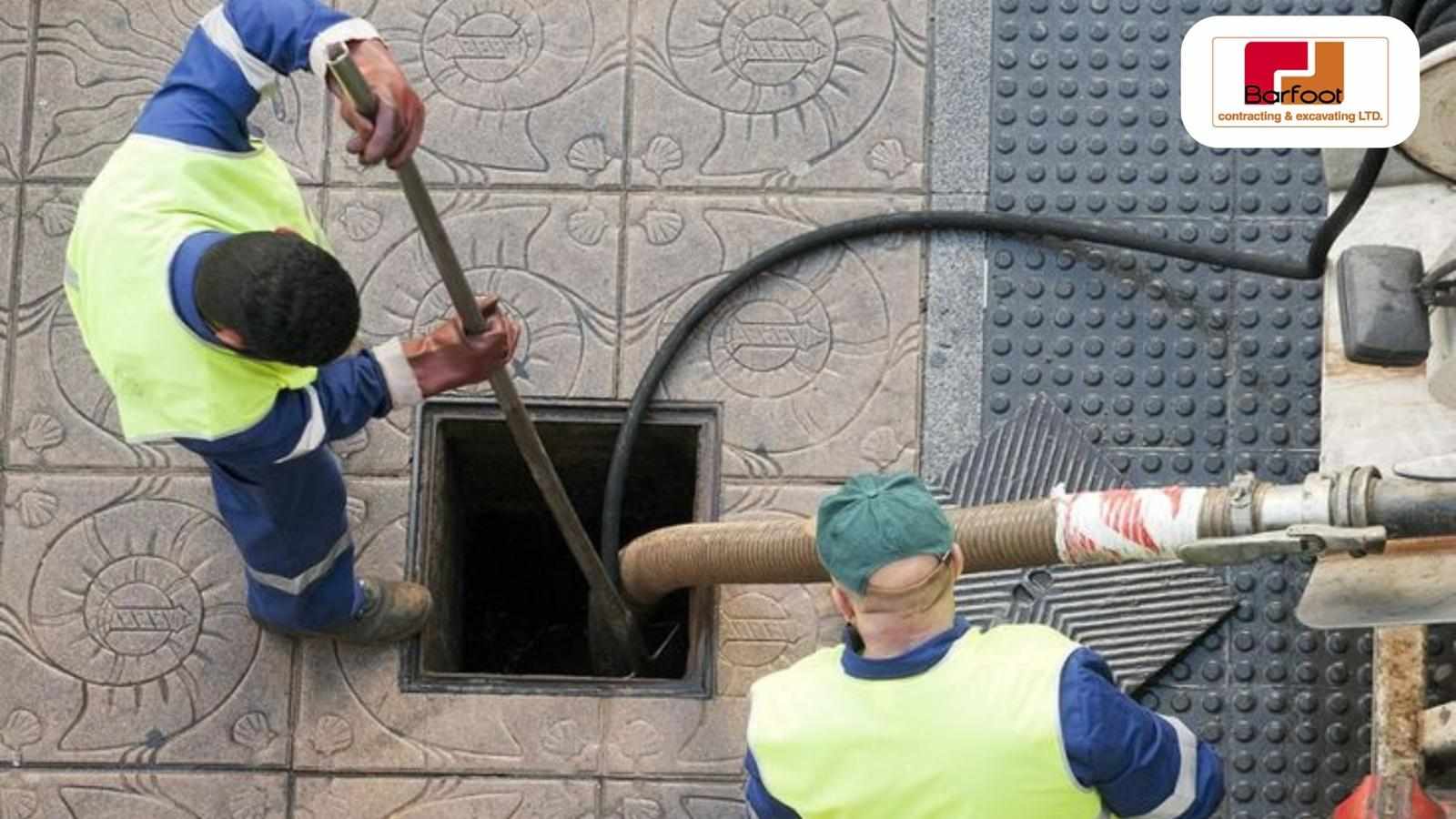
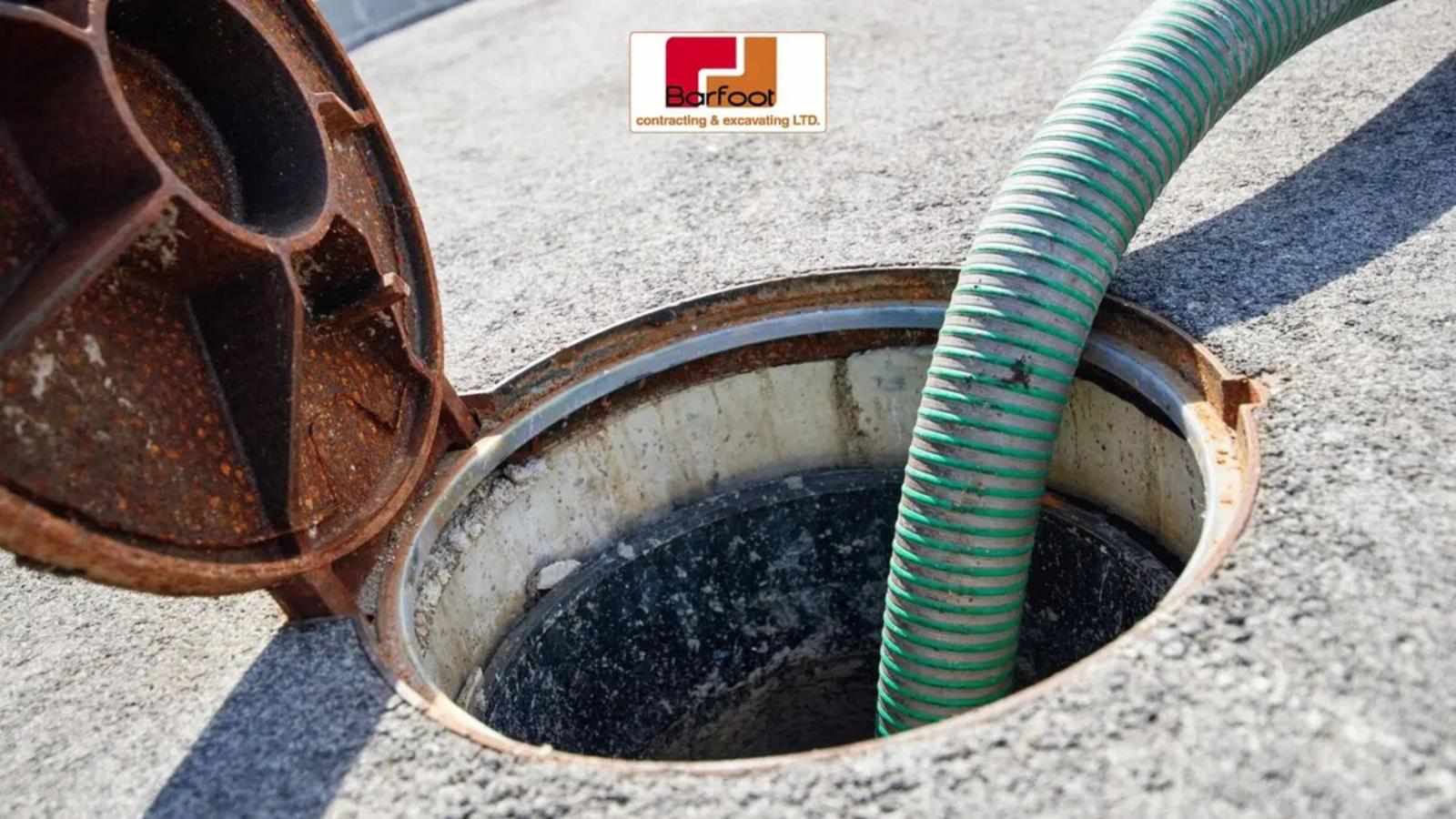
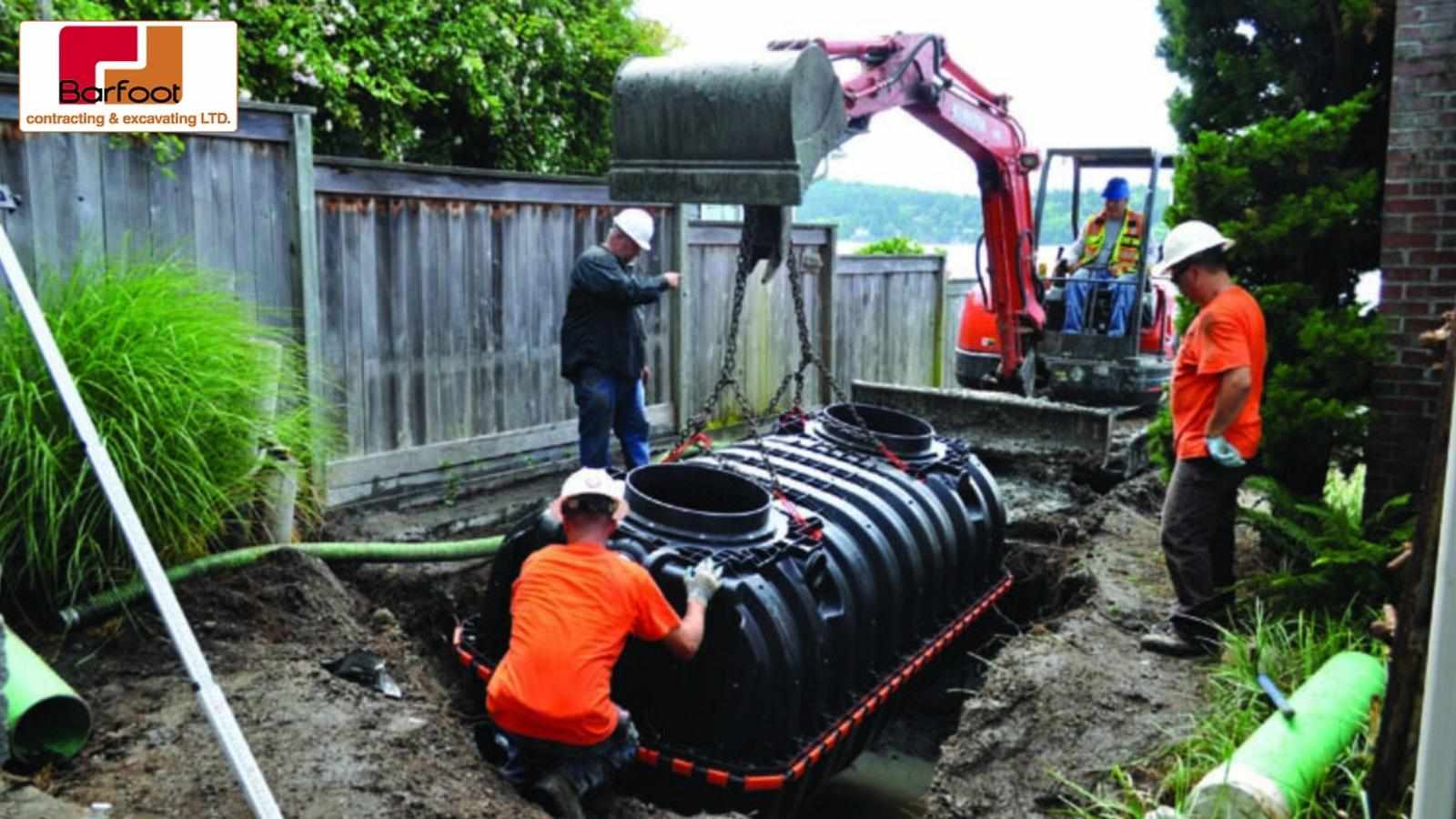
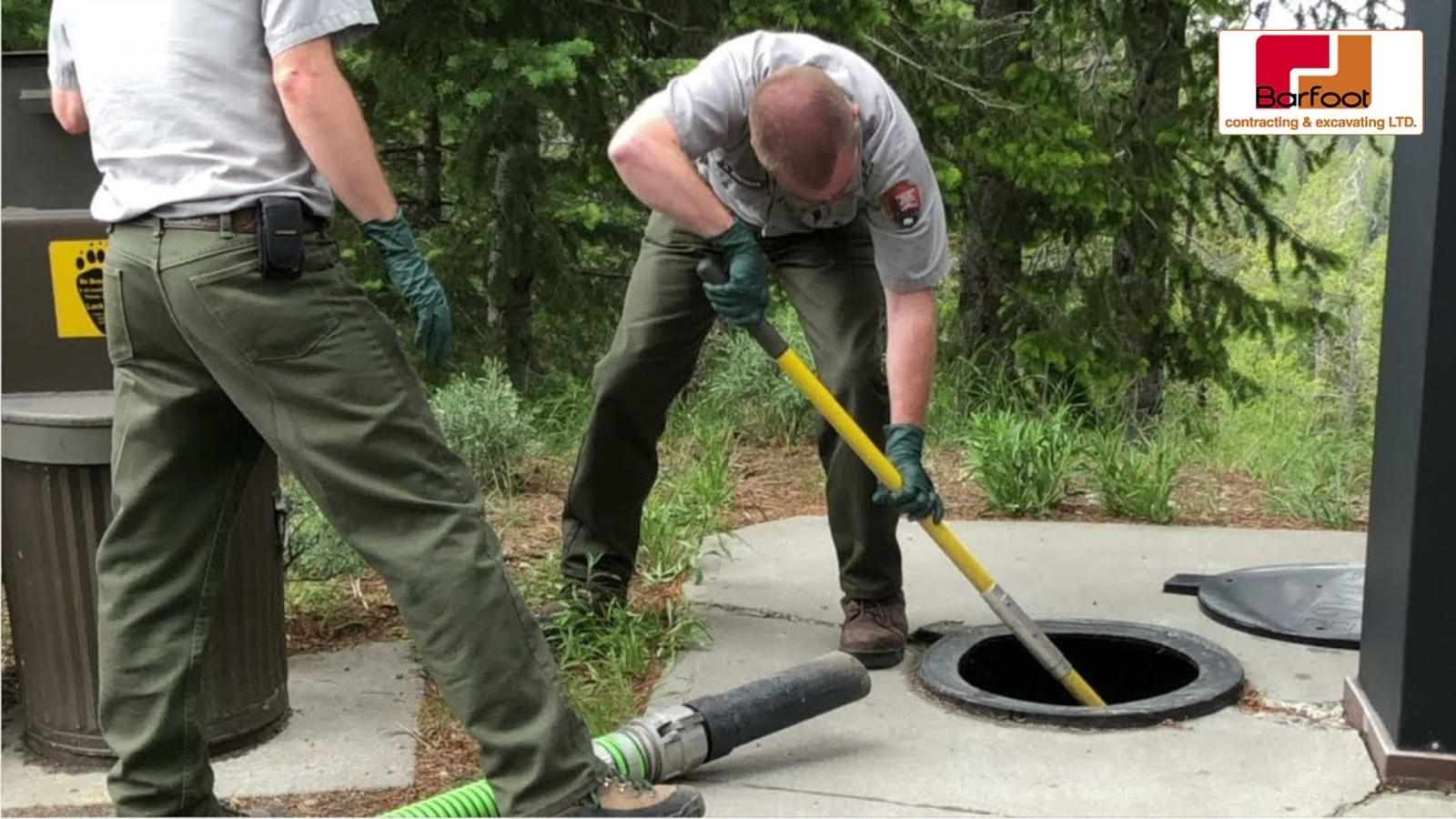
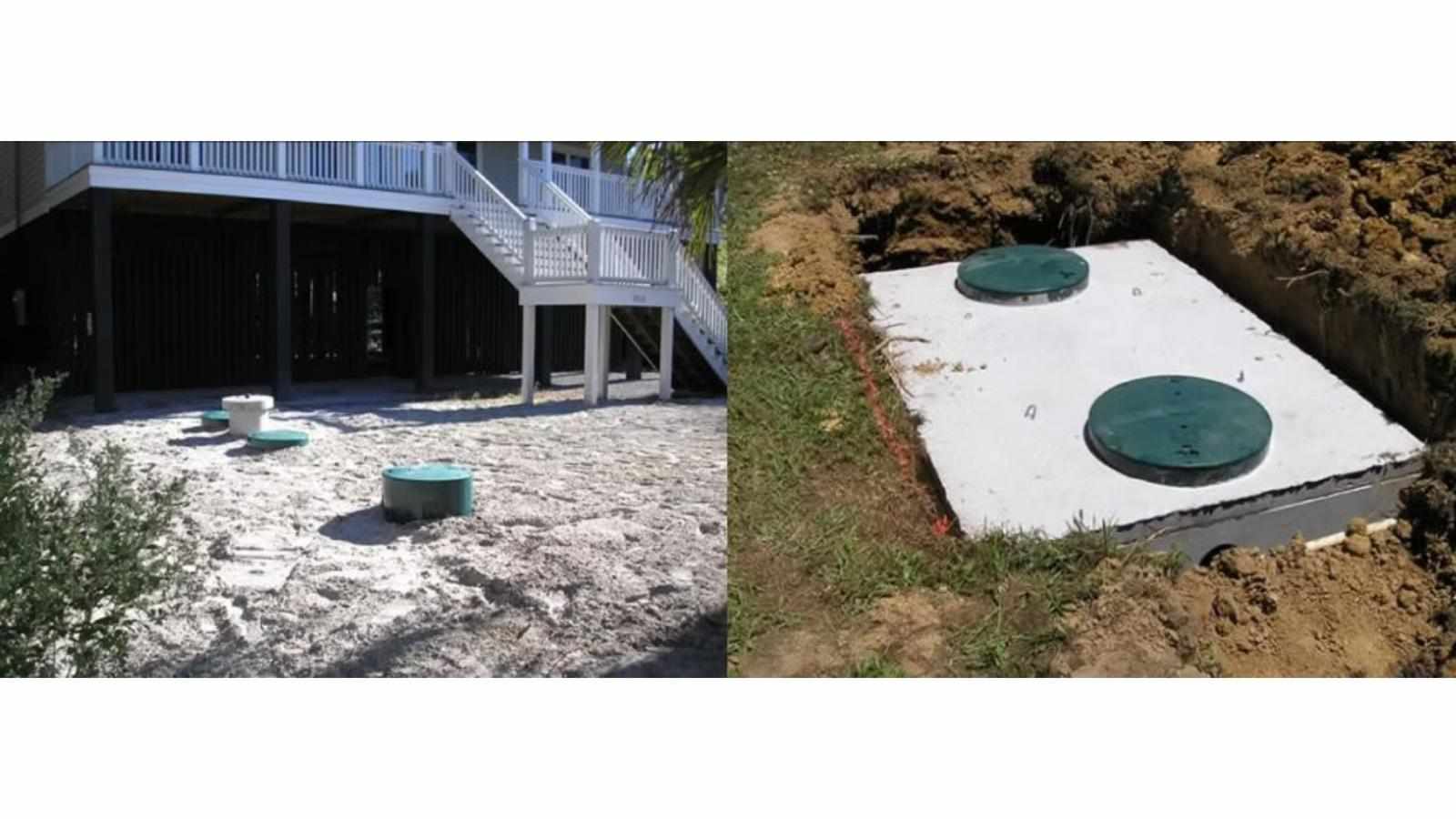
Also, think about your septic. If your drive crosses the septic area, you could be asking for trouble. Heavy loads on top of a tank or lines can damage them. And if you need septic system service, having a drive in the way makes it harder.
So before the gravel comes in, think about what’s under it.
Poor Gravel Choices
Not all gravel is the same. Some is clean and sharp. Some is round and smooth. Round stones shift more. Sharp gravel locks in better.
The base layer should use larger crushed stone. That locks down and drains well. The top can be smaller gravel for a smoother finish.
Choosing the wrong type, or mixing too many kinds, leads to weak spots. A good supplier will help pick the right type for the job. But it only works if the ground below is prepped right.
Rushing the Job
Everyone wants things done fast. But rushing the excavation can cause big problems. If the ground is too wet, it shifts later. If it is not compacted, it sinks. If the wrong equipment is used, it can damage the site.
Taking time to dig right, shape the ground, and lay the base gives long-term strength. You won’t see that in pictures. But you will feel it every time you drive over it.
Not Using the Right Crew
Some folks try to DIY or hire someone with just a truck and shovel. That might work for small paths. But for a full drive, you need proper machines. Excavators, loaders, dump trucks, and float service—these all matter.
The job gets done faster and cleaner with the right gear. And more important, it gets done right the first time.
If the team also offers other site services, you’re in better hands. That includes pond digging, grading, trenching, or lot clearing. These often come up during the same project.
Planning for Long-Term Use
Are you parking just one car? Or do you need room for trailers, machines, or delivery trucks? That changes how the drive should be built.
Heavier loads need more base. Wider drives need more slope. If you guess wrong now, you’ll pay later.
A smart excavation plan includes the future. Even if you build small now, it helps to prep the land for growth.
Think Before You Gravel
Gravel is the last step, not the first. Before it gets delivered, make sure the site is dug, shaped, and set. Check the soil. Watch the slope. Plan the flow of water. Then add the base layers with care.
Only then will your drive hold up over time. Only then will it stay firm, clean, and smooth.
Conclusion
Barfoot Contracting knows how to do the job right. They do not just bring gravel and hope for the best. They prep the ground with skill. They use the right equipment. They install gravel-only driveways, not cement or stone. They shape the land, grade for water flow, and handle all trenching needs. Their services also include lot clearing, foundation digging, pond shaping, snow removal, and septic system service installation—not pumping.
If you want your driveway to last, you need a team that takes the digging seriously. Barfoot Contracting delivers clean work, honest advice, and complete prep from the ground up. They bring the machines, the know-how, and the grit to make sure your project holds strong.

Write a comment ...